


Start with Personal-Fit Equipment
A well-fitting mask, suitable fins, boots and exposure protection can have a major impact on comfort. Check seal, sizing, stiffness and water temperature before choosing.


Australia's scuba diving specialists
Shop BCDs, regulators, dive computers, wetsuits, masks, fins, tanks and scuba accessories, backed by practical advice from divers who understand the equipment.
Explore the depths
Scuba diving opens access to reefs, wrecks and marine life around Australia, but a comfortable and dependable setup starts with equipment suited to your training, body and local conditions.
Explore BCDs, regulators, dive computers, scuba wetsuits, masks, fins, tanks, weights and accessories. You can also find ADRENO scuba courses, trips and practical guides below.
Shop scuba equipment
Build your setup from the major scuba categories, from personal-fit equipment through to life-support systems, cylinders and accessories.
Single-lens, dual-lens and corrective-lens options for a comfortable, reliable seal.
Shop collectionOpen-heel and closed-heel fins for shore, boat, travel and warm-water diving.
Shop collectionExposure protection for tropical, temperate and cooler Australian dive conditions.
Shop collectionWrist and console computers for monitoring depth, time, decompression and dive data.
Shop collectionJacket, rear-inflation and wing-style buoyancy systems for different diving preferences.
Shop collectionFirst stages, second stages, octopus systems and complete regulator packages.
Shop collectionScuba cylinders, valves and related components for recreational diving setups.
Shop collectionDive boots, gloves, hoods and thermal layers for comfort and protection.
Shop collectionWeight belts, pockets, lead weights and integrated-weight accessories.
Shop collectionTorches, SMBs, spools, knives, clips, slates and practical dive accessories.
Shop collectionGear bags, backpacks and travel storage for transporting and protecting equipment.
Shop collectionGrouped scuba equipment packages for building or upgrading a coordinated setup.
Shop collectionChoose equipment with confidence
Prioritise fit, compatibility, environmental suitability and local service support when selecting scuba equipment.
A well-fitting mask, suitable fins, boots and exposure protection can have a major impact on comfort. Check seal, sizing, stiffness and water temperature before choosing.
Compare fit, lift capacity, weight integration, trim options, travel weight and inflation style. A BCD should remain comfortable when fully equipped and allow stable buoyancy control.
Consider water temperature, first-stage connection, hose routing, breathing performance, configuration and access to authorised servicing when selecting a regulator setup.
Choose a display, controls and feature set you can read and operate easily. Consider nitrox support, air integration, compass functions, battery type and app connectivity where relevant.
Learn, train and explore
Develop your skills, plan your next dive and discover Australian scuba locations with ADRENO courses, trips and expert-written articles.
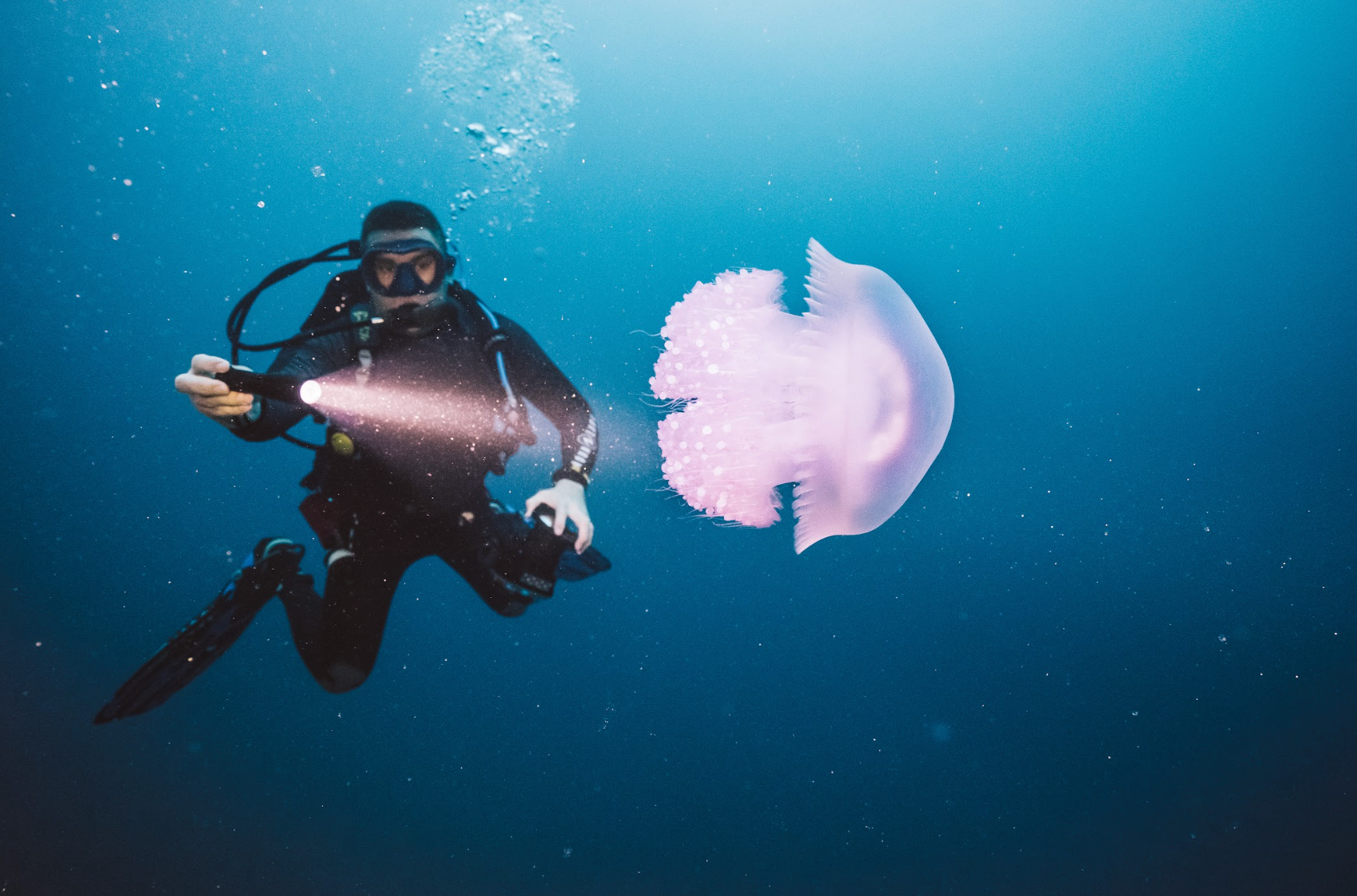
Explore Australian reefs, wrecks, walls and shore dives. Browse by state, dive type and entry, with an interactive map to help plan your next trip.
Explore Australian dive sites
Grow your skills, meet other divers and train with the experienced ADRENO team.
View scuba courses
Disconnect from life on the surface and join one of ADRENO's organised scuba diving trips.
View scuba trips
Discover five popular scuba diving locations close to Brisbane and South East Queensland.
Read the Brisbane guide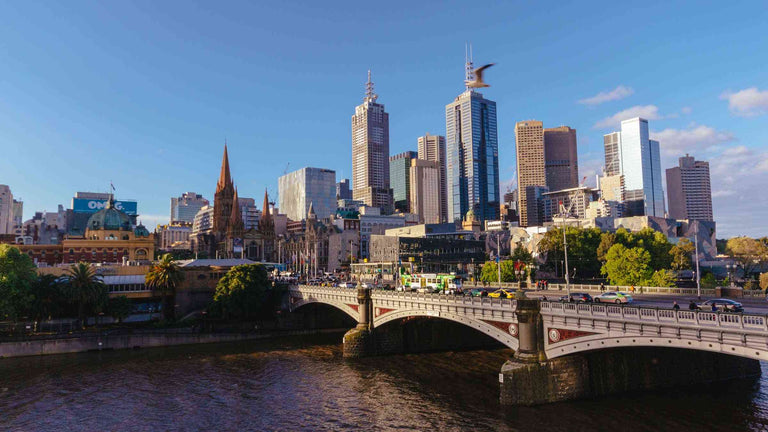
Explore five scuba diving locations around Melbourne and Victoria's coastline.
Read the Melbourne guideTrusted scuba manufacturers
Explore scuba equipment from established brands across regulators, BCDs, computers, masks, fins, exposure protection and accessories.
Scuba diving questions
General guidance for choosing scuba equipment, training and planning your setup.
You can complete recognised scuba training through an authorised dive centre. ADRENO offers scuba diving courses for new and continuing divers. Review the available scuba courses and confirm prerequisites, schedules and inclusions before booking.
A typical recreational setup includes a mask, snorkel, fins, exposure protection, BCD, regulator with an alternate air source, cylinder, weights, gauges or a dive computer, and appropriate accessories. Equipment requirements depend on your training, dive plan, water temperature and operator requirements.
Hiring can suit occasional divers, travellers and people completing initial training. Buying personal-fit items such as a mask, fins, boots and wetsuit can improve comfort, while frequent divers may value owning a familiar BCD, regulator and computer. Consider how often you dive, travel needs, storage and ongoing servicing.
Choose a BCD that fits securely without restricting movement. Compare jacket and rear-inflation designs, lift capacity, weight integration, trim pockets, travel weight and attachment points. Try the BCD with the exposure protection you normally wear where possible.
Match the regulator to your intended water temperature, cylinder connection, configuration and diving environment. Check breathing performance, hose routing, alternate-air setup and whether authorised servicing and parts are readily available.
Follow the service intervals and inspection requirements supplied by the equipment manufacturer and your training or dive operator. Regulators, BCDs, cylinders and other life-support equipment should be maintained by suitably qualified technicians, and all equipment should be checked before each dive.
Dive time depends on cylinder capacity, depth, breathing rate, workload, gas planning, decompression limits and environmental conditions. Plan every dive within your training and monitor gas supply, depth, time and ascent requirements throughout the dive.
Recreational scuba diving is normally planned and conducted with a properly trained buddy. Follow your certification limits, dive plan, operator procedures and local requirements. Do not attempt self-reliant or solo diving unless you hold the appropriate specialist training and have suitable equipment and experience.
Find your home in the ocean
Shop scuba equipment online or visit ADRENO for practical advice on building and maintaining your setup.


