Explore below the surface

Freediving Gear Australia

Shop freediving fins, low-volume masks, snorkels, wetsuits, computers, floats, weight systems and accessories selected for breath-hold diving in Australian conditions.

Expert freediving advice
Australia-wide delivery
Fins, masks, wetsuits, weights and floats

Discover more underwater

Freediving in Australia

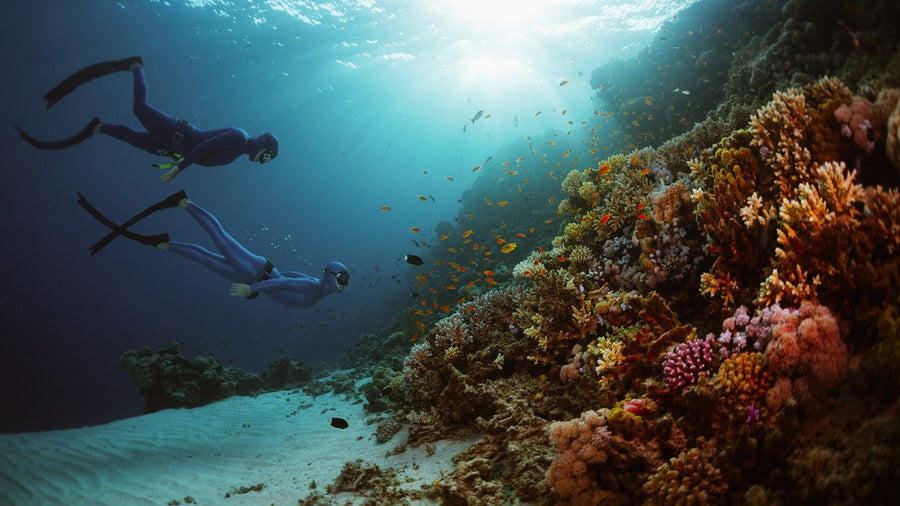
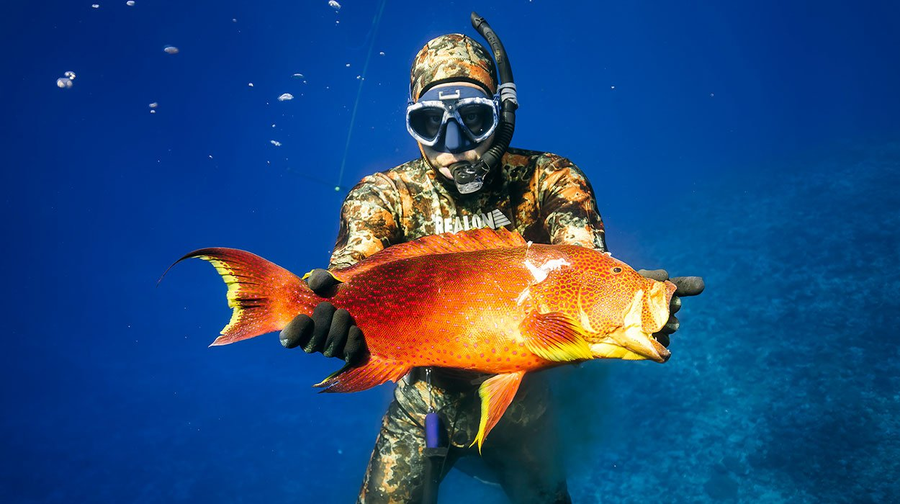
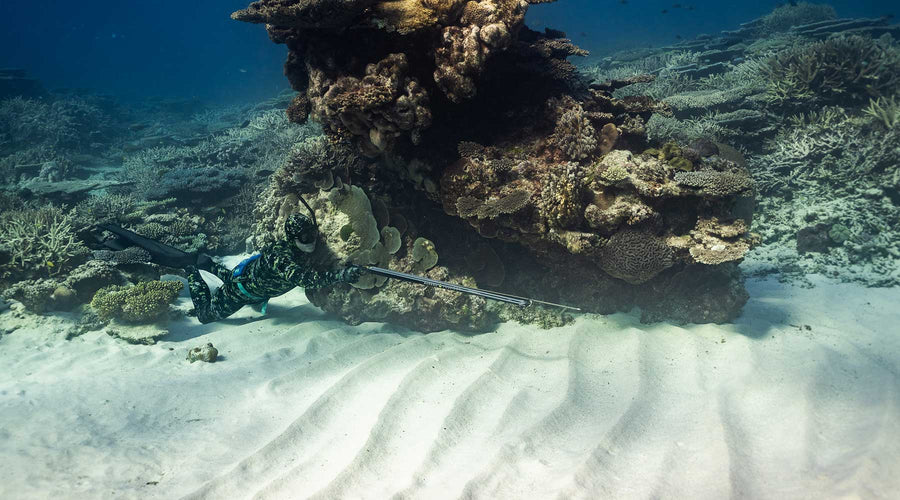
Freediving uses breath-hold technique, relaxed movement and streamlined equipment to explore below the surface. A comfortable setup starts with long fins, a low-volume mask, a simple snorkel and exposure protection suited to your water temperature and session length.

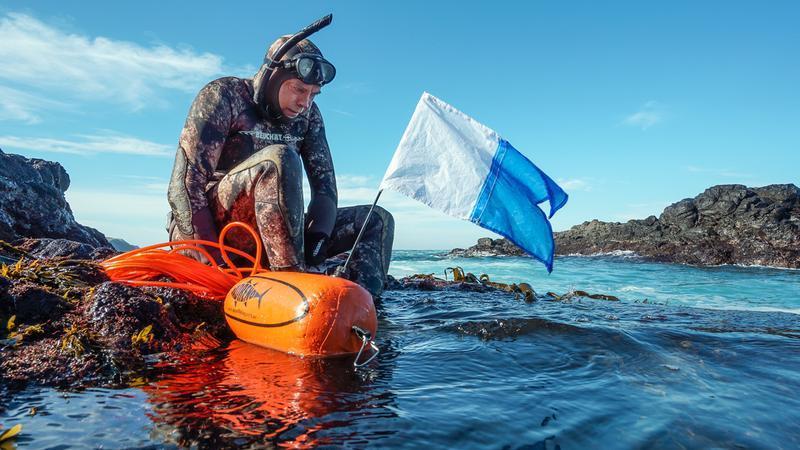
Explore freediving fins, freediving masks, freediving wetsuits, freediving computers, weight systems and floats and buoys.

Choose the right setup

Build Your Freediving Kit

Prioritise fit, comfort, streamlining, water temperature and the kind of breath-hold diving you plan to do.

Choose Freediving Fins and Foot Pockets

Long-blade fins should match your strength, technique and intended diving. Softer blades can feel easier during long surface swims, while firmer blades may suit trained divers who prefer more resistance. Foot pockets must hold the foot securely without painful pressure points.

Shop freediving fins

Trusted underwater brands

Shop Freediving Brands

Explore fins, masks, wetsuits, snorkels and accessories from established freediving brands.

Freediving questions

Frequently Asked Questions

Find quick guidance on essential freediving equipment, fit, exposure protection and safe breath-hold practice.

What equipment do I need for freediving?

A typical recreational freediving setup includes a low-volume mask, simple snorkel, long-blade fins and suitable exposure protection. Trained divers may also use a freediving computer, weight system, lanyard and surface float according to the session plan and environment.

How should a freediving mask fit?

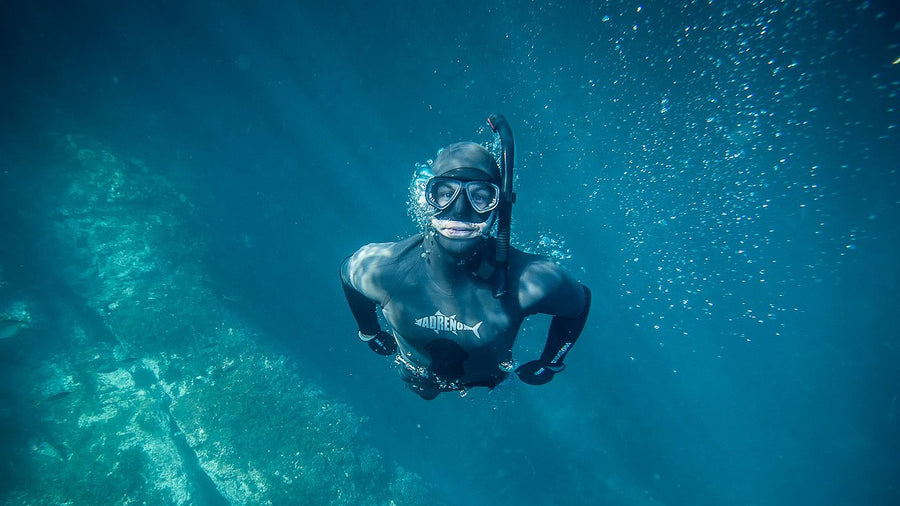
The skirt should seal around the face without excessive strap tension. The frame should not press painfully around the nose or brow, and the nose pocket must allow comfortable equalisation. Low internal volume is useful because it requires less air to equalise at depth.

How do I choose freediving fins?

Consider blade stiffness, foot-pocket fit, your leg strength and the amount of surface swimming involved. A comfortable foot pocket and a blade you can move efficiently are more important than choosing the stiffest option available.

Do I need a wetsuit for freediving?

A wetsuit is useful when water temperature, wind exposure or session length make you cold. Freediving wetsuits are designed to fit closely, reduce water movement and allow efficient finning and duck-diving.

Do I need a freediving computer?

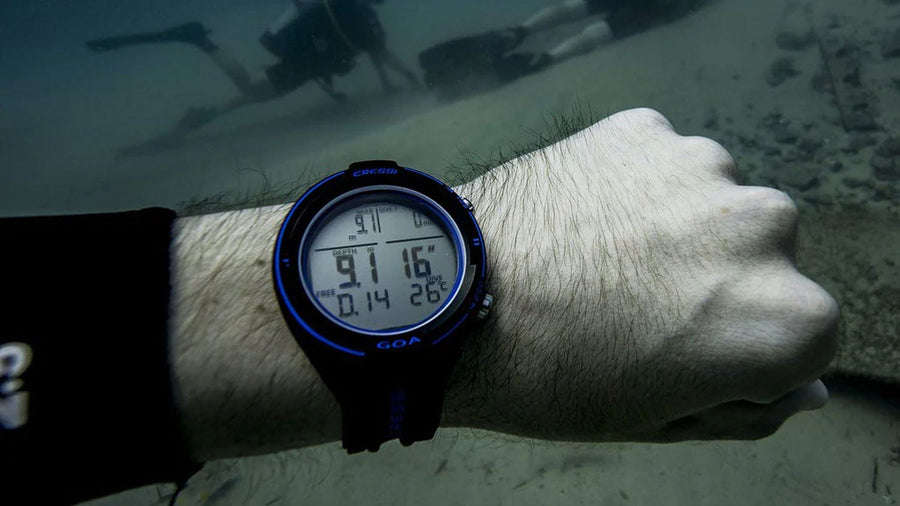
A computer is not a substitute for training or a competent buddy, but it can help a trained freediver review depth, dive time and surface intervals. Choose a model with a clear freediving mode and controls you can operate easily.

Is breath-hold training safe?

Breath-hold activity carries serious risks, including shallow-water blackout. Never train in water alone, never rely on untrained supervision and do not hyperventilate before a breath-hold. Learn recognised buddy and rescue procedures through qualified instruction and stay within your training.